
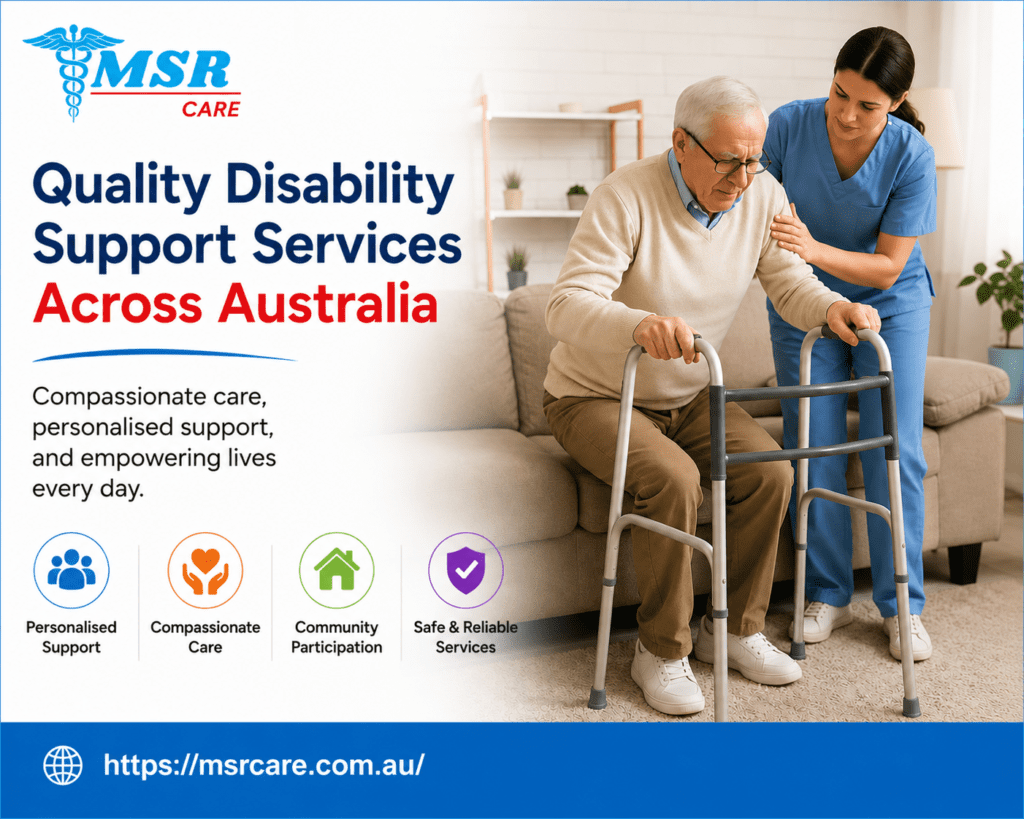
Living with a disability can make everyday tasks harder. Many people need extra help with daily routines, social activities, and personal care. This is why NDIS Disability Support Services Australia are important for participants and families across the country.
The National Disability Insurance Scheme (NDIS) helps people with disabilities get support based on their needs and goals. These services help participants live more comfortably and independently. They also help people become more active in their communities and improve their confidence.
Today, many families look for support providers who offer flexible and caring services. Good support can improve daily life and reduce stress for both participants and caregivers.
What Are NDIS Disability Support Services?
NDIS Disability Support Services Australia are services that help people with disabilities manage daily life. The support is designed around each participant’s needs and goals.
Some people may need help at home. Others may need support while joining community activities or learning new skills. NDIS services are flexible because every participant is different.
Support services may include:
- Personal care support
- Household assistance
- Community participation
- Transport help
- Daily living support
These services help participants feel safer, happier, and more independent.
Why Support Services Are Important
Support services help participants enjoy a better quality of life. Many people need assistance with daily tasks that may feel difficult to manage alone.
Support workers provide practical help and emotional support. This can improve confidence and reduce stress. Participants often feel more comfortable and secure when they have reliable support.
Families also benefit from professional care services. Caring for a loved one full-time can sometimes feel overwhelming. Support services give families peace of mind and extra help when needed.
People who receive support often become more active and confident. They may also improve communication skills and enjoy better social connections.
Personal Care and Daily Assistance
Personal care is one of the most common NDIS supports. Many participants need help with tasks such as bathing, dressing, grooming, and preparing meals.
Support workers help participants in a respectful and caring way. Their goal is to help individuals stay comfortable while maintaining independence and dignity.
Some participants also need support with household tasks. This may include cleaning, laundry, shopping, and meal preparation. These services help create a safer and cleaner home environment.
NDIS personal support services are important because they reduce daily pressure and help participants focus on enjoying life.
Community Participation and Social Activities
Social connection is important for emotional wellbeing. Through Community participation NDIS support, participants can join activities that help them stay connected with others.
Many people attend local events, hobby groups, fitness programs, or social outings. These activities help participants build confidence and improve communication skills.
Trying new activities can also reduce feelings of loneliness and isolation. Participants often feel happier when they are part of a community and regularly interact with others.
Common Community Activities
- Group outings
- Fitness classes
- Social events
- Recreational activities
Even simple activities can improve confidence and emotional wellbeing.
The Role of Support Workers
Support workers are a key part of Disability care services Australia. They help participants with daily tasks and encourage independence.
A good support worker understands the participant’s needs and goals. They provide support in a caring and respectful way.
Support workers may help with:
- Personal care
- Daily routines
- Community access
- Transport support
- Emotional support
Strong support relationships often help participants feel more confident and secure.
Many participants become more independent over time because of regular encouragement and support from trusted carers.
Building Independence Through NDIS Services
One main goal of NDIS Disability Support Services Australia is to help people become more independent.
Participants can learn important life skills that improve daily living. Some people learn how to cook meals, use public transport, or manage daily routines. Others work on communication and social confidence.
Small improvements can make a big difference over time. As confidence grows, participants often feel more comfortable trying new experiences and making independent choices.
Learning daily skills also helps participants feel more in control of their lives.
Personalised Support Plans
Every participant has different goals and support needs. This is why personalised care plans are important.
Some people prefer one-on-one support, while others enjoy group programs and social activities. Flexible support plans help participants receive care in a way that feels comfortable and suitable for them.
Support providers work closely with participants and families to understand their goals. Plans can also change over time if support needs change.
Personalised support helps participants feel respected and valued. It also improves comfort and confidence during daily activities.
Emotional Wellbeing and Social Inclusion
Good support services help improve emotional wellbeing. People who feel isolated may experience stress, anxiety, or low confidence.
Regular social interaction can help participants feel happier and more connected. Visiting local places, joining activities, and spending time with others can improve mood and confidence.
Independent living support Australia services also encourage social inclusion. Participants are supported to access community spaces and enjoy everyday experiences more comfortably.
Feeling included in the community is important for confidence and mental wellbeing.
Choosing the Right NDIS Provider
Choosing the right provider is important for participants and families. A reliable provider offers caring and flexible support services.
Things to Look For in a Provider
- Experienced support workers
- Flexible services
- Good communication
- Reliable support
- Personalised care
The right provider can improve comfort, confidence, and quality of life for participants.
Families should choose providers who understand individual goals and provide respectful support.
Independent Living Support
Many participants want greater independence in everyday life. Independent living support Australia services help participants build practical life skills.
Support may include help with cooking, cleaning, travel training, budgeting, and managing routines. These skills help participants become more confident and self-reliant.
Support workers encourage participants to learn at their own pace. Over time, many people feel more capable of handling daily responsibilities on their own.
Independent living support can improve confidence and create more opportunities for the future.
The Future of Disability Support in Australia
Disability support services continue to grow across Australia. More families now understand the value of personalised care and community support.
Modern disability services focus not only on physical care but also on emotional wellbeing and independence. Participants today have more opportunities to build confidence, learn new skills, and stay socially connected.
As support services continue to improve, more people are gaining access to flexible and meaningful care across the country.
Conclusion
NDIS Disability Support Services Australia help people with disabilities live safer, happier, and more independent lives. These services support daily living, personal care, emotional wellbeing, and social participation.
From household help and personal care to community activities and skill development, NDIS services improve quality of life for many participants across Australia.
With caring support workers and personalised support plans, participants can build confidence, learn important life skills, and enjoy stronger community connections. These services continue to play an important role in creating a more supportive and inclusive society.
FAQs
What are NDIS disability support services?
NDIS disability support services help people with disabilities manage daily tasks and improve independence.
What support can the NDIS provide?
The NDIS may provide support for personal care, household tasks, transport, community participation, and daily living skills.
How do support workers help participants?
Support workers assist with daily activities, emotional support, personal care, and community access.
Can NDIS services help with independent living?
Yes, NDIS services help participants build life skills and improve confidence for independent living.
Why is community participation important?
Community participation helps people build friendships, improve confidence, and feel connected to others.