
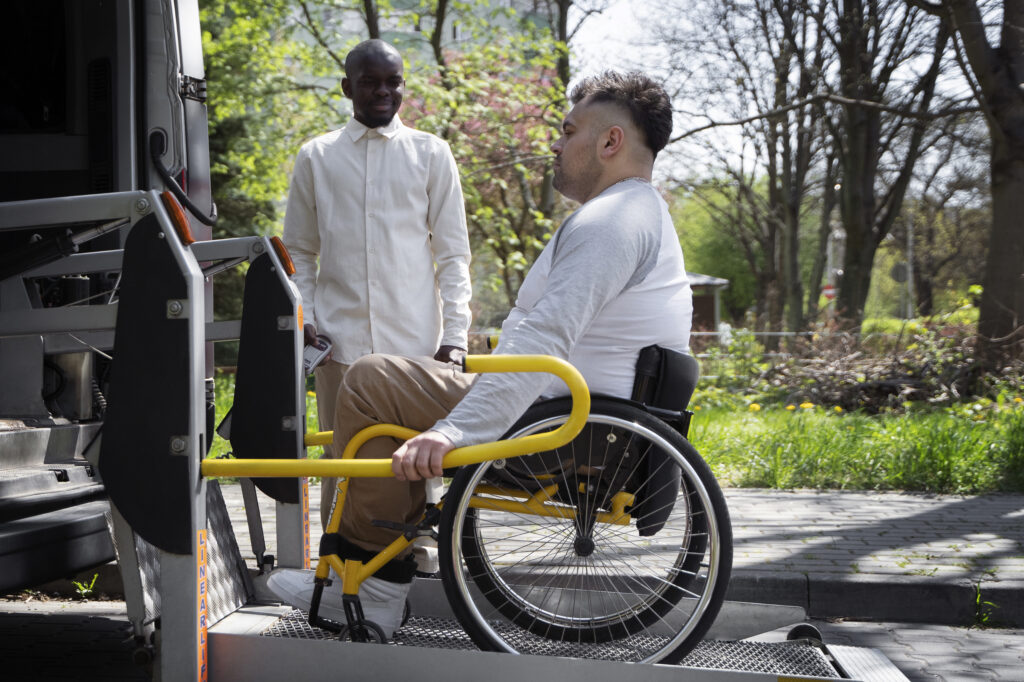
Living with a disability often brings challenges that many people without physical limitations may never notice. Everyday tasks like moving around the house, going to work, or even stepping outside can become overwhelming. This is where assistive technology for mobility steps in. From NDIS personal mobility equipment to walking aids for disabled individuals, these tools are designed to make life easier, safer, and more independent.
Imagine Sarah, a young woman with limited mobility. She struggled to get around her home safely, relying heavily on family members for simple tasks. After being introduced to NDIS-approved assistive devices, including a wheelchair and smart home tools, her independence improved dramatically. She could now move around confidently, perform household tasks, and even socialize with friends without constant support. Stories like Sarah’s show how mobility aids and smart solutions can change lives.
In this blog, we will explore how mobility aids, braces, orthotics, and smart technology help people with disabilities live more independently. We’ll also touch on how NDIS mobility equipment providers guide users to choose the best solutions.
Understanding Assistive Technology for Mobility
Assistive technology for mobility covers a wide range of devices that help people with disabilities move and navigate their environment safely. This includes wheelchairs and walkers NDIS-approved, walking aids for disabled individuals, and other mobility aids for disabilities.
These devices are not just for severe disabilities. Many people with minor limitations, recovering injuries, or age-related mobility issues can benefit. The key is choosing the right equipment for your specific needs. NDIS personal mobility equipment ensures users get approved, safe, and high-quality devices.
Even something as simple as a cane or a walker can dramatically improve balance and confidence. Meanwhile, more advanced tools like powered wheelchairs or smart home devices make moving independently possible in more complex environments.
How Mobility Aids Improve Independence
Mobility aids do more than help you walk or move—they improve confidence, safety, and quality of life. When a person can move freely, they can take part in work, social activities, and household tasks without relying entirely on others.
For example, John, a retired teacher with limited mobility, used a walking aid for disabled users at home. He found he could cook, clean, and even play with his grandchildren without worry. He also used NDIS household tasks Sydney support for additional help with chores he could not manage alone. The combination of mobility aids for disabilities and supportive services gave him independence he had not experienced in years.
Did You Know?
Using mobility aids early can prevent falls and injuries. Even minor tools like braces and orthotics can reduce strain on joints and improve balance.
Types of Assistive Technology for Mobility
Not all devices are the same. Here are some examples of assistive technology for mobility that can help:
- Wheelchairs and Walkers NDIS: Essential for people with limited mobility. They help move safely indoors and outdoors.
- Walking Aids for Disabled Individuals: Canes, crutches, or rollators that improve balance and reduce fatigue.
- Braces and Orthotics Support: Helps joints and muscles function properly, improving posture and reducing discomfort.
- Smart Home Technology for Disabilities: Voice-controlled lights, automated doors, stairlifts, and sensors that reduce barriers at home.
- NDIS-Approved Assistive Devices: Ensures safety, compliance, and quality. Providers tailor these devices to each user’s needs.
Each device is selected depending on the user’s mobility level, home setup, and daily needs. Working with an NDIS mobility equipment provider ensures the right combination of tools is used.
Benefits of Mobility Aids and Assistive Devices
- Safety: Reduces the risk of falls or injuries.
- Independence: Users can perform tasks without relying on others.
- Confidence: Moving freely helps people feel capable and empowered.
- Quality of Life: Easier access to work, education, and social activities.
- Health Support: Braces and orthotics can improve posture, reduce pain, and support recovery.
People who use mobility aids often report less stress, more confidence, and higher participation in community life. Combining these aids with NDIS support services Sydney helps users get full guidance and training to maximize their independence.
Assistive Technology for Household Tasks
Mobility aids are not limited to movement—they also help with household chores. Devices like ramps, stairlifts, and ergonomic tools make daily life safer. NDIS household tasks Sydney services work alongside mobility aids to provide additional support for chores like cleaning or cooking.
Smart home technology for disabilities further simplifies life. For instance, voice-activated lights or door openers mean users don’t need to strain themselves physically. Combining these tools with NDIS personal mobility equipment ensures a safer, easier, and more comfortable home environment.
Using Assistive Technology Outside the Home
Assistive technology also makes going out safer and easier. Wheelchairs and walkers NDIS-approved are designed for both indoor and outdoor use. Walking aids for disabled individuals provide balance while navigating streets or parks. Smart devices can monitor movement and alert users to hazards.
These tools allow people to attend appointments, social events, and work without constant supervision. They promote confidence and participation in community life.
Choosing the Right Equipment
Choosing the right mobility aid is essential. Not every device suits every user. An NDIS mobility equipment provider can assess needs and recommend devices based on lifestyle, home environment, and mobility level.
Some key points to consider:
- Comfort and fit
- Safety and stability
- Ease of use in different environments
- Compatibility with home modifications or smart devices
- Integration with NDIS support services Sydney if additional help is needed
Common Misconceptions
- “Mobility aids reduce independence.” Actually, they increase autonomy.
- “Only for severe disabilities.” People with mild or temporary limitations also benefit.
- “All devices are the same.” Proper assessment ensures the right device for your needs.
FAQs
Who benefits from assistive technology for mobility?
People with physical limitations, whether minor or severe, can benefit from mobility aids, braces, orthotics, and smart home technology.
Can mobility aids help with household tasks?
Yes. Paired with services like NDIS household tasks Sydney, they make cleaning, cooking, and home management safer and easier.
Are these devices covered by NDIS?
Many are. NDIS-approved assistive devices ensure safety, compliance, and quality. NDIS personal mobility equipment providers guide users on eligibility and setup.
Conclusion
Assistive technology for mobility changes lives. It helps people move safely, gain independence, and participate fully in work, social life, and home activities. Using NDIS personal mobility equipment, mobility aids for disabilities, and smart home technology for disabilities gives people freedom and confidence. Services like NDIS support services Sydney and NDIS household tasks Sydney add extra support. With the right tools, anyone with mobility challenges can live a safer, more independent, and fulfilling life.
Discover the best mobility solutions in Australia. Book an appointment today with an experienced NDIS mobility equipment provider to explore wheelchairs, walkers, walking aids, and smart home devices.