
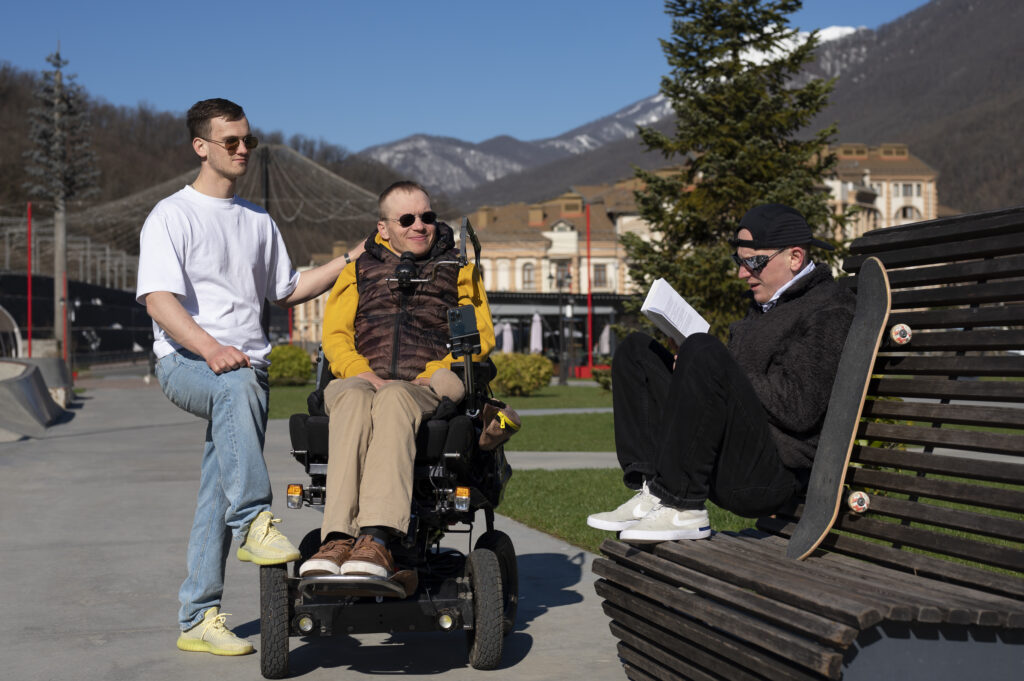
Being able to move safely is a big part of daily life. For people living with a disability, even simple movement can feel hard or unsafe. Walking around the home, going outside, or visiting the community may take extra effort. NDIS Personal Mobility Equipment helps participants move more safely and feel more confident in everyday life.
Under the NDIS, personal mobility equipment supports people to stay active and involved at home and in the community. With the right equipment, many participants feel more comfortable and in control of their movement.
What Is Personal Mobility Equipment Under the NDIS?
Personal mobility equipment includes tools that help a person move from one place to another. This can be inside the home or outside in the community. These supports are provided when mobility issues are linked to a person’s disability and meet NDIS rules.
The main purpose of mobility equipment is safety. It helps lower the risk of falls and reduces strain on the body. It also supports independence in daily activities. The type of equipment depends on each person’s needs and goals.
Mobility Aids for Disabilities in Everyday Life
Mobility aids for disabilities help people move with more ease. They support walking, standing, or travelling longer distances. For many participants, these aids make daily life simpler and safer.
Using the right mobility aid can help prevent falls and injuries. It can also make movement feel smoother and less tiring. When people feel safer moving around, they are more likely to stay active and take part in daily routines.
Wheelchairs and Walkers NDIS Support
Wheelchairs and walkers are common mobility supports under the NDIS. They are used by people with different movement needs.
Wheelchairs support people who cannot walk safely or for long periods. They allow movement inside the home and in public places. This helps participants stay connected with family, friends, and the community.
Walkers are helpful for people who can walk but need extra balance. They provide support and reduce the chance of falling. Funding for wheelchairs and walkers NDIS support depends on assessments and daily needs.
Walking Aids for Disabled Participants
Walking aids for disabled participants include items like canes, walking frames, and rollators. These aids may seem simple, but they can make a big difference.
A walking aid helps people move with better balance and control. It can be used at home, in the garden, or when going out. The right walking aid depends on strength, balance, and where it will be used.
Using walking aids can help people stay mobile and feel less dependent on others.
Assistive Technology for Mobility Made Simple
Under the NDIS, mobility equipment is classed as assistive technology for mobility. Assistive technology means equipment that helps people do tasks they find hard because of disability.
Mobility assistive technology supports safe movement. It may help with walking, standing, or moving longer distances. The right equipment helps people move with less effort and more confidence.
Assessments help make sure the equipment fits the person well and is safe to use. This makes the support more effective.
Choosing an NDIS Mobility Equipment Provider
Choosing the right NDIS mobility equipment provider is important. A good provider understands NDIS rules and focuses on the person, not just the equipment.
Experienced providers take time to understand daily routines and goals. They help make sure the equipment suits the participant’s lifestyle. Working with a registered provider also supports safety and quality.
Clear communication makes the process easier for participants and their families.
How Mobility Equipment Supports Independence
Using mobility equipment does not take away independence. It often increases it. When people feel safe moving around, they are more likely to do daily tasks on their own.
Mobility equipment can reduce the need for help at home. It can also make it easier to go out, attend appointments, or enjoy outdoor spaces. This freedom can improve confidence and wellbeing.
Everyone’s idea of independence is different. The right equipment supports each person in their own way.
Is Personal Mobility Equipment Funded by the NDIS?
Personal mobility equipment may be funded by the NDIS when it is reasonable and necessary. Funding depends on how the equipment helps with disability-related needs.
Participants should talk about movement challenges during planning meetings. Simple examples of daily difficulties help planners understand the need for support. Support coordinators can also help with the process.
The NDIS usually funds the equipment itself, not general living costs. Each request is reviewed based on the person’s situation.
Final Thoughts
Safe movement supports comfort, confidence, and daily living. With the right help, people living with disability can move more freely and safely. Choosing suitable equipment and the right provider can make everyday life easier. Through NDIS Personal Mobility Equipment, participants can enjoy better movement, more independence, and improved quality of life.