 Skip to content
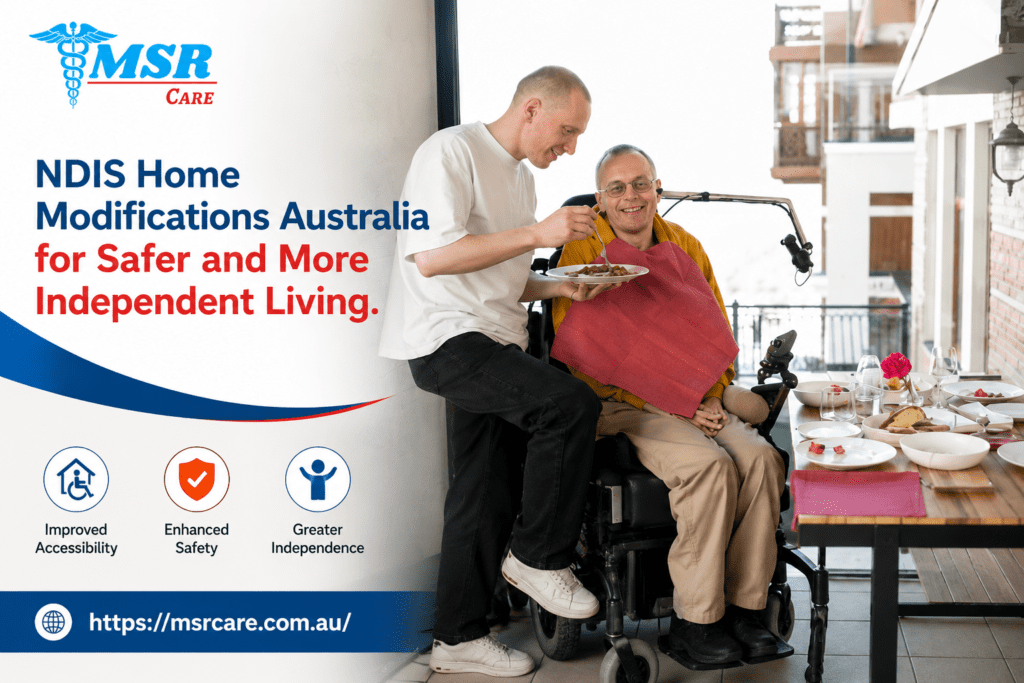
A safe home is important for every person. For people living with disabilities, the right home setup can make daily life easier and more comfortable. Many homes are not built for mobility support, wheelchair access, or safer movement. This is why professional NDIS Home Modifications Australia services are helping many families across the country.
Home modifications are changes made inside or outside the home to improve safety and accessibility. These changes help participants move around more easily and complete daily tasks with less difficulty. Some modifications are simple, while others involve larger upgrades.
The National Disability Insurance Scheme supports eligible participants who need home changes for safer and more independent living. Proper home modifications can improve confidence, comfort, and quality of life.
What Are NDIS Home Modifications?
NDIS home modifications are changes made to a home for people living with disabilities. These changes help improve movement, accessibility, and safety inside the property.
Professional disability home modifications are planned based on the participant’s needs. Every person has different challenges, so each home setup is different.
Some people may need:
- Safer bathroom access
- Better wheelchair movement
- Easier entry and exit
- Support rails for balance
These improvements help participants feel safer and more comfortable in their homes.
Why Accessibility Matters at Home
Many homes have areas that can be difficult for people with mobility issues. Stairs, slippery floors, and narrow spaces can increase the risk of falls and injuries.
Accessibility upgrades help reduce these problems. They create safer spaces and make daily routines easier. Small changes can often make a big difference in comfort and confidence.
Professional NDIS accessibility solutions are designed to support safer living while improving movement inside the home.
Common Types of Home Modifications
Every home modification project is different. Some homes need only small changes, while others require larger structural upgrades.
Common modifications include ramps, wider doorways, non-slip flooring, and bathroom safety upgrades. Some families also choose kitchen improvements for easier movement and better accessibility.
Professional providers carefully plan modifications so the home stays safe, practical, and comfortable for daily living.
Bathroom Modifications Improve Safety
Bathrooms are one of the most dangerous areas inside the home for people with mobility challenges. Wet floors and tight spaces can make movement difficult.
Bathroom upgrades may include walk-in showers, support rails, hand-held showerheads, and safer flooring. These changes help improve confidence and reduce the risk of accidents.
Many families choose bathroom modifications because they support safer daily routines and better independence.
Professional bathroom accessibility upgrades are one of the most common home modification support services funded through the NDIS.
Ramps Help Improve Movement
Steps and uneven pathways can make entering or leaving the home difficult. Ramps help improve movement for wheelchair users and participants with limited mobility.
Ramps can be installed near entrances, garages, gardens, or outdoor pathways. These changes help participants move more safely without needing constant support.
Accessibility ramps help improve:
- Safer home access
- Easier wheelchair movement
- Better outdoor independence
- Daily comfort
These improvements also make life easier for carers and family members.
Kitchen Accessibility Improvements
The kitchen is used every day, but many kitchens are not designed for accessibility. High cupboards and limited movement space can create challenges for participants.
Accessible kitchen upgrades may include lower benchtops, better storage access, and wider movement areas. These changes make meal preparation safer and easier.
Professional providers focus on creating kitchen spaces that support comfort and independence during daily activities.
Professional Assessments Are Important
Before major home modifications begin, professional assessments are usually required. Occupational therapists often inspect the home and recommend suitable changes.
These assessments help identify:
- Safety concerns
- Accessibility problems
- Mobility challenges
- Best modification options
Professional recommendations also help ensure modifications meet NDIS requirements.
Every participant has different needs, so proper planning is very important before starting the project.
Home Modifications Support Independent Living
One of the biggest benefits of home modifications is better independence. Small changes can make daily activities easier and safer for participants.
Professional independent living support services help participants move around the home with more confidence. Accessible homes also reduce the need for regular assistance from carers.
When people feel safer at home, it often improves emotional wellbeing and daily comfort.
Safety Benefits of Home Modifications
Safety is one of the main reasons families choose accessibility upgrades. A safer home can reduce stress for both participants and carers.
Home modifications help:
- Reduce fall risks
- Improve movement indoors
- Support safer daily routines
- Create easier bathroom access
Many families choose accessible home improvements to create a safer environment for long-term living.
These changes can make everyday life much more comfortable and secure.
Why Families Choose Professional Providers
Home modifications require careful planning and proper installation. Professional providers understand accessibility standards and safety requirements.
Experienced teams work closely with participants and families to create practical solutions for daily living. They also make sure modifications are completed correctly and safely.
Professional support helps families feel more confident during the entire process.
Reliable providers also communicate clearly and explain every step of the project in simple language.
Understanding the NDIS Approval Process
The NDIS approval process can feel difficult for some families. In many cases, participants need professional reports and assessments before funding approval is provided.
Occupational therapists usually explain why the modifications are necessary and how they will improve safety or accessibility.
Once approval is completed, providers can begin planning and installation work. Many companies now help families understand the process and complete the required paperwork more easily.
Clear guidance helps reduce confusion and makes the experience less stressful.
Better Quality of Life Through Accessibility
Accessible homes can improve comfort and confidence in everyday life. Even small changes inside the home can make a big difference for participants.
Professional home modifications help improve:
- Daily comfort
- Home safety
- Personal confidence
- Easier movement
These changes help participants enjoy more freedom and better support at home.
Accessibility upgrades also help families feel more relaxed because the home becomes safer for daily living.
Growing Demand for Accessible Homes
More families across Australia are now looking for accessibility solutions because awareness about inclusive living continues to grow.
Modern home modifications now focus on both safety and comfort. Many upgrades are designed to match the style of the home while improving accessibility.
Professional NDIS housing support services are helping more participants create safer and more supportive living spaces.
The demand for accessible homes is expected to continue growing in the future.
How Professional Providers Help
Professional providers manage every stage of the modification process. They help with assessments, planning, installation, and final safety checks.
Experienced teams make sure the work meets accessibility standards and participant needs. Good communication is also important during the project because families want clear updates and support.
Professional providers help reduce stress and make the process smoother for everyone involved.
The Future of Accessible Living
Accessible living is becoming more important across Australia. More homes are now being designed with accessibility features to support people of all abilities.
Modern technology and improved design ideas are helping create safer and more comfortable homes. Accessibility solutions today focus on independence, comfort, and long-term support.
This positive change is helping many families create better living environments for the future.
Final Thoughts
Professional NDIS Home Modifications Australia services help create safer and more accessible homes for people living with disabilities. From ramps and bathroom upgrades to kitchen improvements and safer pathways, these changes improve comfort and support independent living.
Home modifications help reduce risks, improve movement, and make daily life easier for participants and families. Professional providers also guide participants through the process and ensure every modification is completed safely.
With the right support and planning, home accessibility improvements can create safer, more comfortable, and more independent living spaces across Australia.
FAQs
What are NDIS home modifications?
NDIS home modifications are changes made to improve safety and accessibility for people living with disabilities.
What home modifications are commonly funded?
Common modifications include ramps, grab rails, bathroom upgrades, and wider doorways.
Why are professional assessments needed?
Assessments help identify the participant’s safety and accessibility needs before modifications begin.
How do home modifications improve independence?
They help participants move more safely and complete daily tasks more easily at home.
Why should families use professional providers?
Professional providers ensure modifications are safe, suitable, and completed according to accessibility standards.
